ARC South West: Applied Research Collaboration South West
NIHR 20th logo
Evidence Synthesis Team
Our Evidence Synthesis Team collates evidence and produces full systematic reviews and evidence summaries to inform local and national health and care practice. They work closely with those who will eventually use the findings, including both lay people and professionals.
The team also provides training in evidence synthesis skills for academics, health professionals and students across the South West through running workshops, clinics and teaching.
The team works closely with the Information Specialist Team and others from Evidence Synthesis & Modelling for Health Improvement at the University of Exeter on multiple projects and in delivering Search and Review clinics.
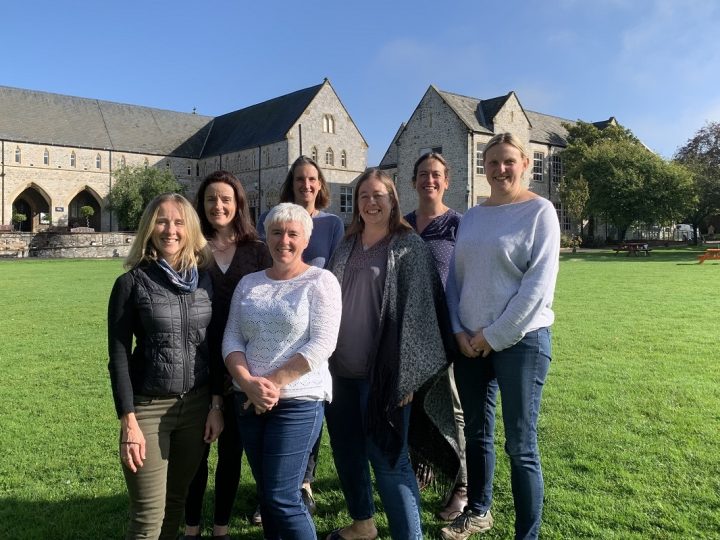
Team members

Alison Bethel
Information Specialist
Dr Harriet Hunt
Postdoctoral Research Fellow
Dr Noreen Orr
Research Fellow
Dr Rebecca Abbott
Senior Research Fellow
Morwenna Rogers
Information Specialist
Professor Jo Thompson-Coon
Professor of Evidence Synthesis and Health Policy
Rebecca Whear
Senior Research FellowProjects
What do we know about topical steroid withdrawal syndrome?
Themes:
- Methods for Research and Improvement
Methodology:
- Evidence Synthesis Team
iGEN (Intergenerational practices and intergenerational learning in health and social care): Exploring the evidence from the perspective of older people
Themes:
- Methods for Research and Improvement
Methodology:
- Evidence Synthesis Team
Characteristics, quality and volume of the evidence synthesis infodemic: a meta-research study
Themes:
- Complex Care
- Methods for Research and Improvement
Methodology:
- Evidence Synthesis Team
Rehabilitation to enable recovery from COVID-19
Themes:
- Complex Care
Methodology:
- Evidence Synthesis Team
- The Knowledge Mobilisation and Implementation Team
COVID-NURSE: Impact of Covid-19 and other conditions requiring isolation on the provision of fundamental nursing care in hospital
Themes:
- Complex Care
Methodology:
- Evidence Synthesis Team
- Patient and Public Involvement
PhD Project – Non-pharmacological interventions for dementia behaviours: developing and evaluating a ‘living’ evidence and gap map
Themes:
- Dementia
- Methods for Research and Improvement
Methodology:
- Evidence Synthesis Team